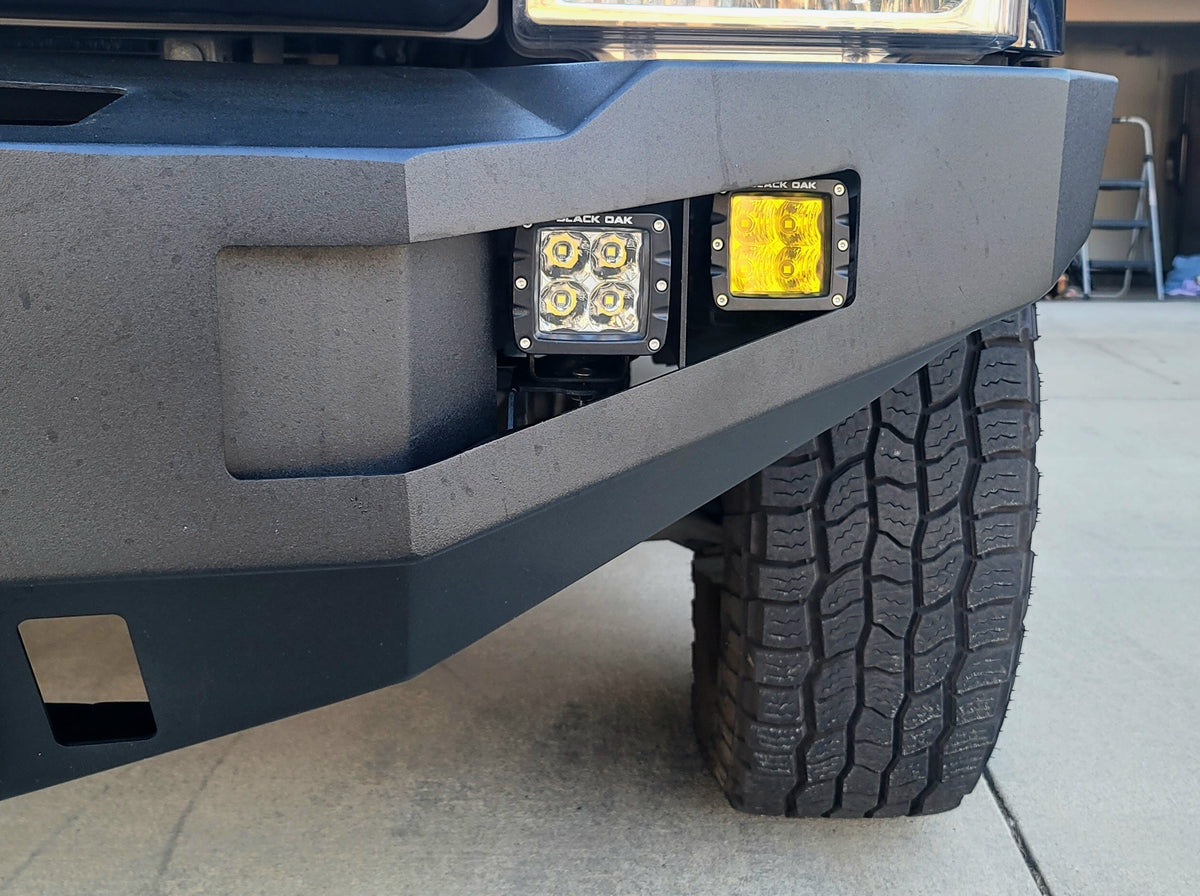
Amber/Yellow vs. White LED Lights: Which Color is Best for Off-Road?
By the lighting experts at Black Oak LED
In off-road lighting, the question isn't just brightness—it’s clarity under pressure. When you're blasting through dust trails or crawling through snowfall, raw lumens don’t cut it. You need the right light color temperature for the conditions in front of you.
Here’s a hard look at when to run amber/yellow or white LED lighting—and why serious off-roaders often run both.
The Science: Why Color Temperature Matters

Color temperature, measured in Kelvin (K), affects how light behaves in dust, fog, rain, and snow.
White LEDs = ~5,000K–6,500K
- Crisp daylight-style output
- Great for clear air and fast trail scanning
Amber/Yellow LEDs = ~2,500K–3,000K
- Lower temperature, longer wavelength
- Cuts through particulate matter with less scatter or glare
Key Difference: White LEDs reflect more off airborne particles (dust, fog, snow), causing visual bounce-back. Amber/yellow light stays focused and better controlled, offering better visualization in dust, snow, and fog.
When to Run Amber/Yellow Off-Road Lighting
Amber and yellow LED lights are ideal for low-visibility conditions such as dust, fog, rain, and snow. Their longer wavelength cuts through airborne particles with far less reflection than white light, reducing bounce-back and glare that can blind the driver.
This color temperature also improves contrast, helping you see terrain details, obstacles, and changes in elevation more clearly. That’s especially useful for technical crawling, winter trails, and fast-paced desert driving where visual clarity is critical.
Amber/yellow lighting also causes less eye strain over time, making it perfect for night recovery, convoy driving, or long-distance overlanding. Whether you mount them on the A-pillars or as rear-facing pods, they’re a must-have in challenging conditions.
Recommended Product:
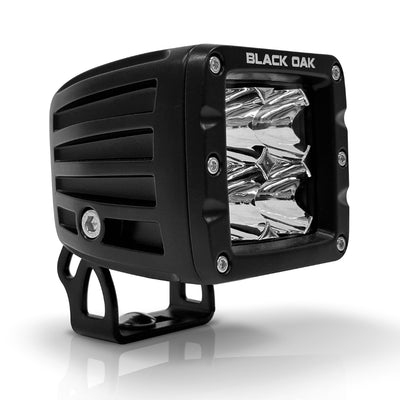
2” Yellow LED Pod Light – Flood or Spot
Running fog lights specifically? Our fog lights buyer guide for trucks covers color choice, beam pattern, and factory-pocket fitment by vehicle.
When White LEDs Shine
White LEDs offer crisp, daylight-style output that’s perfect for high-speed driving and clear conditions. With a higher color temperature, white lights maximize visibility across wide-open terrain and are excellent for spotting trail details at long range.
They’re best suited for desert trails, fire roads, and other environments where airborne particles are minimal. The sharp clarity of white light helps you react quickly at speed, especially when paired with combo beam optics for layered coverage.
White lighting also excels as a primary forward-facing solution when used in bars mounted to bumpers or roofs. Pairing white LED bars with amber pods gives you a flexible, terrain-adaptable system that handles both clarity and control.
Ideal Use Case:
Run a combo beam white bar for long-range visibility, then pair with amber/yellow pods for fog or edge lighting.
Mixed Setups: The Smartest Choice for All-Terrain
If you're building a rig for varying environments, you should be running both color temperatures.
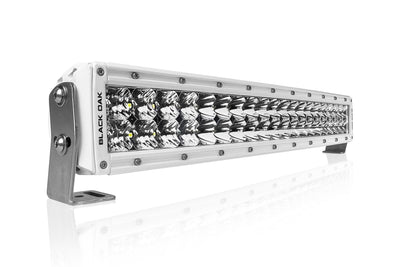
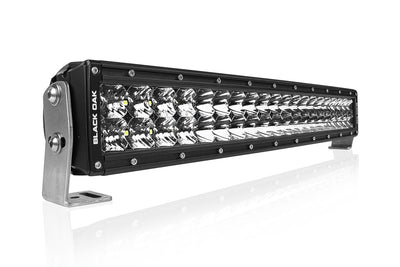
- Dual Color Light Bar: One light bar - two different color options
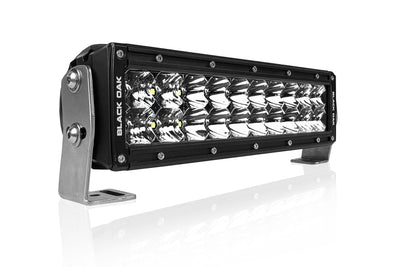
- White LED Bar (Combo Beam): Bumper or roof-mounted for primary long-range light
- Amber/Yellow Pods (Flood): A-pillars or corners for side coverage in dust or fog
- Diffused White Pods: Close range lighting, underbody inspection, or work zones
- White Light Bars/Pods & Amber Covers: Can't Decide? Want both but don't have the space? Check out our Amber lens covers.

Final Word: Color is a Tool, Not a Trend
White light gets the glory, but amber/yellow gets you home. Smart builds don’t choose—they combine. Use white for speed and distance and when the weather is good, then amber/yellow for clarity when things get messy.
Build smarter. Light with intention.