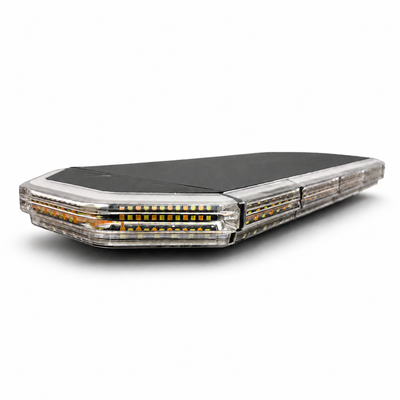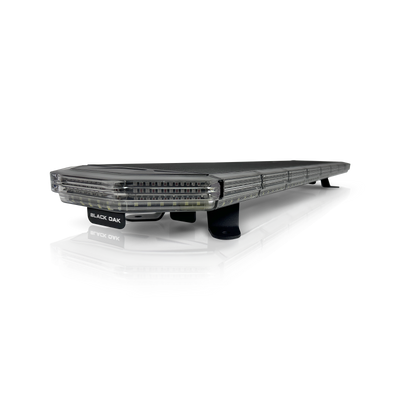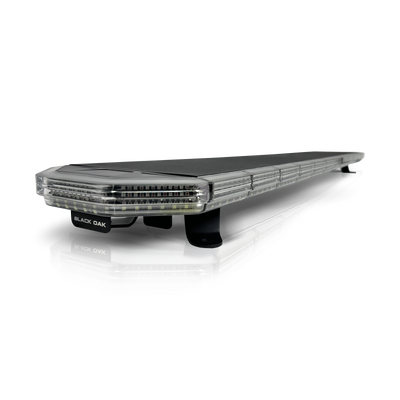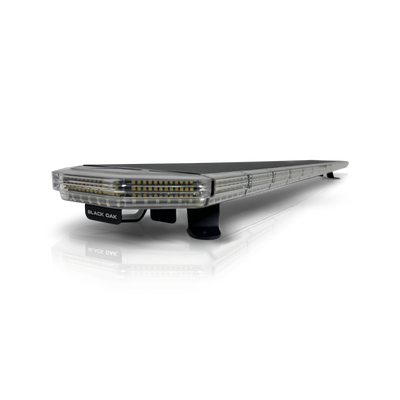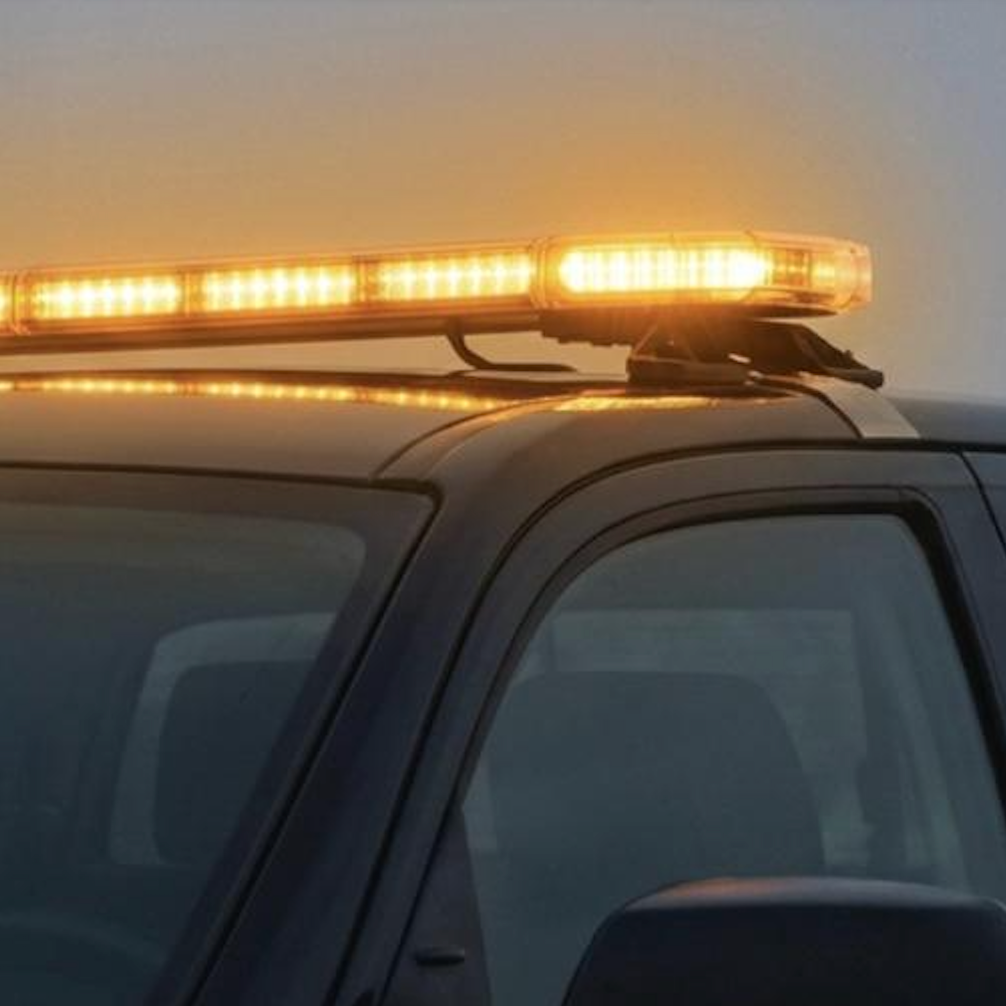
If you run a tow truck, utility rig, plow, or construction vehicle, amber is almost universally your color. It signals "caution, slow moving or stopped work vehicle" without impersonating police or fire, and every state recognizes it. What varies is the detail: when you may flash it, whether it must be visible from a set distance, and whether your state requires a permit.
Important: this guide is general information, not legal advice. Statutes change and enforcement varies by jurisdiction. Before you order or install, confirm the current rule with your state DOT or DMV, and check local ordinances for municipal work.
Shopping while you research? Every SAE rated amber bar we make is in the amber light bars collection, tow package configurations are grouped under tow truck light bars, and smaller beacons sit under LED strobe lights, beacons and mini light bars.

The Rules That Apply Almost Everywhere
- Amber is the work vehicle color. Red and blue are reserved for police, fire, and EMS in nearly every state. Running them on a civilian vehicle risks a citation for impersonating an emergency vehicle.
- Flash only while working or presenting a hazard. Most states permit flashing amber while you are actively towing, loading, plowing, or stopped in or near a travel lane. Driving down the highway with the bar flashing and no hazard is where operators get tickets.
- Visibility distance requirements are common. Many statutes require the light to be visible from 500 feet. Any modern SAE Class 1 rated LED bar clears this easily.
- Move Over laws now cover amber in most states. The majority of states have extended Move Over protections to stationary vehicles displaying flashing amber, which is a strong reason to run a proper bar rather than a dash flasher.
State by State Overview
The table below summarizes the general posture of each state toward amber warning lights on tow, utility, and construction vehicles, based on published state statutes. "Standard amber" means amber is permitted for work vehicles under the usual conditions above. Always verify current statute text before relying on any row.
| State | General rule for tow/utility/construction |
|---|---|
| Alabama | Amber generally accepted for work vehicles; no tow specific statute widely cited. Verify with ALDOT. |
| Alaska | Standard amber for service vehicles. |
| Arizona | Amber permitted; flashing generally reserved for vehicles presenting a hazard. |
| Arkansas | Amber (with white or green) allowed for road construction and maintenance during hazardous operations. |
| California | Amber required on tow trucks while towing or assisting disabled vehicles; freeway use restricted outside actual hazard situations (CVC Article 7). |
| Colorado | Amber for tow, construction, and utility when presenting a traffic hazard; 500 ft visibility. |
| Connecticut | Amber/yellow for wreckers; tow trucks are not emergency vehicles. |
| Delaware | Amber for tow, construction, utility when presenting a hazard; 500 ft visibility. |
| Florida | Amber flashing/oscillating/rotating permitted for tow, construction, and utility vehicles (FS 316.2397). |
| Georgia | Amber for tow, utility, construction; the amber permit requirement was eliminated effective July 1, 2024. |
| Hawaii | No tow specific rule widely cited; red/blue strictly reserved. Verify locally. |
| Idaho | Amber for tow, construction, utility only while the vehicle poses a traffic hazard. |
| Illinois | Amber generally accepted for work vehicles; specifics vary. Verify with IDOT. |
| Indiana | Amber generally accepted; verify specifics with the BMV. |
| Iowa | Amber generally accepted; verify specifics with Iowa DOT. |
| Kansas | Civilian vehicles limited on forward facing colors; amber the safe choice for work lighting. |
| Kentucky | Amber generally accepted; verify specifics with KYTC. |
| Louisiana | Amber standard for escort and work vehicles. |
| Maine | Amber for tow trucks, 360 degree visibility, mounted on top; note Maine has favored steady burning over flashing in some applications. Verify current rule. |
| Maryland | Amber/yellow (green permitted in some cases) for slow moving or traffic impeding vehicles during official duties. |
| Massachusetts | Amber for towing, utility, and similar service while actually engaged in service; permits administered for some uses. |
| Michigan | Amber for construction/utility during operations and for tow trucks while towing. |
| Minnesota | Amber standard for work vehicles; some road maintenance equipment may also display blue rearward. Verify. |
| Mississippi | Amber blinking, oscillating, or rotating for wreckers and emergency work vehicles. |
| Missouri | Amber (or amber plus white) for work zone vehicles, in some cases only while stationary. |
| Montana | Amber permitted for service vehicle warning lighting. |
| Nebraska | Amber rotating or flashing for DOT, utilities, and similar vehicles under specified conditions. |
| Nevada | Flashing lights on civilian vehicles are broadly restricted; amber for legitimate work vehicles. Verify with Nevada DMV. |
| New Hampshire | Amber generally accepted; some uses require a permit. Verify with NH DMV. |
| New Jersey | Amber warning lights for tow trucks require a state amber light permit. Verify current process with NJ MVC. |
| New Mexico | Recovery and repair vehicles removing disabled vehicles may use warning lights in any color except red. |
| New York | Amber is the color for hazard vehicles including tow trucks; one amber light or bar visible 360 degrees is the common standard. Verify with NY DMV. |
| North Carolina | Warning light devices restricted to vehicle classes named in statute 20-130.1; amber for authorized wreckers and service vehicles. Verify. |
| North Dakota | Amber plus white for Class B work vehicles during emergency duties. |
| Ohio | Amber may flash, rotate, or oscillate on tow, construction, and utility vehicles while working. |
| Oklahoma | Amber for state, county, and city work vehicles; some DOT vehicles also run rear facing red/blue. Amber is the civilian standard. |
| Oregon | White or amber permitted for auxiliary lighting; amber warning lights for work vehicles. |
| Pennsylvania | Amber for tow trucks per section 4572.1; no permit requirement commonly cited. |
| Rhode Island | Amber, steady or flashing, for tow, utility, and work vehicles. |
| South Carolina | Amber generally accepted; verify specifics with SCDMV. |
| South Dakota | Amber standard for work vehicles. |
| Tennessee | White or amber for utility, construction, and recovery during official duties; colored light restrictions apply to the front. |
| Texas | Amber standard for tow, utility, escort, and TxDOT vehicles. |
| Utah | Amber for service, maintenance, and tow vehicles. |
| Vermont | Amber for utility, construction, tow, and pilot escort; no permit needed and sirens prohibited. |
| Virginia | Amber for tow, wrecker, construction, utility, and escort while actively assisting or working (46.2-1026). |
| Washington | Amber standard for work vehicles; resale of surplus emergency lighting is regulated. |
| West Virginia | Amber/yellow (optionally with white) for tow and utility with 360 degree coverage and 500 ft visibility. |
| Wisconsin | Amber generally accepted; verify specifics with WisDOT. |
| Wyoming | Amber plus white required for utility vehicles responding to an emergency (31-5-928). |

Practical Takeaways
- If you buy one configuration for multi state work, buy pure amber with an SAE rating. It is legal for work vehicles in every state. Every amber bar we build is in the amber light bars collection.
- Two color bars (amber/white, amber/green, amber/blue) are powerful where permitted, but the second color is where state rules diverge most. Confirm your state before ordering a combination. Red and blue combinations are grouped under police light bars and red and white under fire and EMS light bars, and both are restricted to authorized vehicles in most states.
- Keep the bar off outside of active work. Most citations come from flashing while simply driving.
- Document your use case. Operators with a printed copy of their statute in the glovebox resolve roadside questions faster.
For mounting and setup, read Tow Truck Light Bar Requirements: What to Mount and Where, see how the amber bar, rear strobes and scene light fit together on a wrecker in the tow truck lighting setup guide, or go straight to the emergency light bars collection. Questions about what is right for your fleet and state? Call us at 1-800-348-1287.