
Emergency LED Light Bars, Strobe Lights, & Beacons
 Amber Light Bars
 Tow Truck Light Bars
 Fire & EMS Light Bars
 Police Light Bars
 Strobe Lights & Beacons
When visibility is the difference between a safe scene and a dangerous one, the emergency light bar you mount matters. Black Oak LED emergency light bars are SAE-rated, built for extreme performance across every duty vehicle - patrol SUVs, tow trucks, fire apparatus, and work fleets. Available from 10" mini bars up to 68" full-size with multiple selectable flash patterns, veteran-operated quality assurance. Everything you need for field-proven performance, only missing the markup.
13 products


Emergency LED Light Bars, Strobe Lights, & Beacons
-


New - 17" Low Pro Emergency Light Bar
Regular price$349.37$279.50Regular priceUnit price per$349.37 USDSale price Price: From $349.37 USD
-


New - 30" Low Pro Emergency Light Bar
Regular price$615.62$492.50Regular priceUnit price per$615.62 USDSale price Price: From $615.62 USD
-

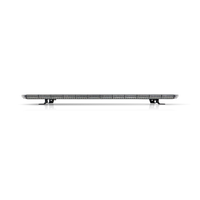
New - 43" Low Pro Emergency Light Bar
Regular price$767.50$614.00Regular priceUnit price per$767.50 USDSale price Price: From $767.50 USD
-



New - 49" Low Pro Emergency Light Bar
Regular price$950.62$760.50Regular priceUnit price per$950.62 USDSale price Price: From $950.62 USD
-

New - 55" Low Pro Emergency Light Bar
Regular price$1,060.62$848.50Regular priceUnit price per$1,060.62 USDSale price Price: From $1,060.62 USD
-


New - XDR-48 Emergency Light Bar - Up to 3 Color
Regular price$1,248.75$999.00Regular priceUnit price per$1,248.75 USDSale price Price: From $1,248.75 USD
-


New - XDR-4 Emergency Strobe Light - LED Warning Light
Regular price$37.45$29.96Regular priceUnit price per$37.45 USDSale price Price: $37.45 USD
-


New - XDR-5 Emergency Strobe Light - LED Warning Light
Regular price$46.50$37.20Regular priceUnit price per$40.00 USDSale price Price: $46.50 USD
-


New - 61" Low Pro Emergency Light Bar
Regular price$1,299.38$1,039.50Regular priceUnit price per$1,215.62 USDSale price Price: From $1,299.38 USD


Buyer's Resource
Emergency Light Bars: Everything You Need to Know
The Low Pro® & XDR-48 Range at a Glance
Vehicle Application
Emergency Response Versus Warning and Work-Zone Use
The distinction isn’t just color. It’s flash pattern, mounting expectation, and — most critically — what the buyer is legally authorized to run. A construction supervisor buying amber warning lighting and a sheriff’s department buying red/blue emergency lighting are solving different problems with the same underlying Low Pro® platform, configured differently.
For the full legal breakdown of who’s authorized to run which color, see Color Laws under Compliance. For the certification standard behind these classifications, see SAE Class under Technology.
| Type | Category | Vehicle Types |
|---|---|---|
| Emergency | Law enforcement | Police cars, sheriff departments, state patrol units |
| Emergency | Fire department equipment | Fire trucks, rescue vehicles, chief’s cars |
| Emergency | Emergency medical services | Ambulances, paramedic response units |
| Emergency | Emergency support services | Incident command vehicles, hazmat response teams |
| Warning | Construction & utility | Work-zone visibility fleets |
| Warning | Tow & roadside recovery | Recovery and roadside assistance vehicles |
| Warning | Security & campus safety | Private security and campus patrol vehicles |
| Warning | Municipal services | Snow plows, street maintenance, public works fleets |
Size Guide
Matching Bar Length to Vehicle Class and Application
The 49″ bar is the default recommendation for most patrol vehicles and full-size sedans — wide enough for genuine 360° presence without overwhelming the roofline.
The 68″ steps up for apparatus and command vehicles where maximum coverage outweighs mounting discretion. On the other end, the 17″ Low Pro® earns its place as supplemental lighting — dash-mounted or rear-deck — rather than a primary bar, and the 30″ sits as the balanced choice for compact patrol vehicles and undercover-adjacent applications where a 49″ would be conspicuous.
The 43″ and 55″ fill the space in between: 43″ for mid-size primary coverage, 55″ where a department needs more than standard but doesn’t need the full 68″ span.
The XDR-48 sits alongside the range as the multi-color specialist — built for vehicles that need to switch between emergency, warning, and scene lighting without carrying multiple bars.
| Size | SAE Class | Best Applications | Vehicle Types | Coverage Area |
|---|---|---|---|---|
| 10″ Low Pro® | Class 1 | Dash, deck and compact secondary | POV responders, compact interiors | Focused, supplemental |
| 17″ Low Pro® | Class 1 | Secondary position, rear deck, interior | Chief’s cars, POV responders, compact units | Focused, supplemental |
| 30″ Low Pro® | Class 1 | Compact primary, secondary roof bar | Compact patrol, utility trucks, small SUVs | Balanced, mid-range |
| 43″ Low Pro® | Class 1 | Primary patrol, mid-size emergency | Police interceptors, ambulances, work trucks | Wide, primary coverage |
| 49″ Low Pro® | Class 1 | Standard full-size patrol and EMS bar | Full-size police SUVs, ambulances | Wide, high-intensity |
| 55″ Low Pro® | Class 1 | Full-size fire and EMS apparatus | Fire trucks, heavy rescue, command vehicles | Maximum, multi-zone |
| 61″ Low Pro® | Class 1 | Large apparatus, wide-cab vehicles | Fire apparatus, large utility trucks | Maximum, wide vehicle |
| 68″ Low Pro® | Class 1 | Largest apparatus, full roof coverage | Heavy fire apparatus, command trailers | Maximum, full span |
| XDR-48 | Class 1 | Multi-color builds, up to 3 LED colors | Police, fire/EMS, tow with multiple zones | Full, programmable zones |
Color Requirements
Standard Color Configurations by Vehicle Type
These configurations reflect convention across most jurisdictions — not a substitute for checking your own state’s vehicle code. Color authorization governs both what you’re permitted to buy and what you’re legally allowed to run on public roads.
| Vehicle Type | Primary Colors | Secondary Colors | Regulatory Notes | Recommended Configuration |
|---|---|---|---|---|
| Police Vehicles | Red/Blue | Clear/White | State-specific requirements | Red/Blue alternating with clear takedowns |
| Fire Department | Red | Red/White | Traditional fire identification | Solid red with white scene lighting |
| EMS/Ambulance | Red/Blue | Red/White | Medical emergency identification | Red primary with blue secondary |
| Construction | Amber | Amber/White | Work zone safety compliance | Amber warning with white work lighting |
| Tow Trucks | Amber | Amber/White | Roadside assistance identification | Amber strobe with steady amber |
| Security | Amber/Blue | Clear/White | Private security applications | Blue/amber combination with white |
| Volunteer/POV Responder | Red/Blue or Green | Clear | Highly variable by state | Confirm state law before ordering |
Flash Patterns
Programmable Sequences for Different Response Scenarios
Pattern selection has a real operational logic behind it.
Steady burn trades battery draw for constant scene illumination — the right call once a vehicle is stationary and the priority shifts from "be seen approaching" to "light the scene safely." Quad flash and random flash sit at the other end: maximum visibility for active emergencies, at a real but justified cost to battery life.
Alternating flash serves a distinct purpose again — directing traffic left or right rather than simply demanding attention.
None of these patterns is objectively "best"; the right one is a function of what the vehicle is doing at that moment, which is why every bar ships with the full set rather than one fixed mode.
| Flash Pattern | Best Use Case | Application Type | Visibility Level | Battery Impact |
|---|---|---|---|---|
| Steady Burn | Scene lighting, work zones | Continuous illumination | High | Highest consumption |
| Single Flash | Traffic control, parking | General warning | Medium | Low consumption |
| Double Flash | Emergency response | Active emergency | High | Medium consumption |
| Quad Flash | Critical emergencies | High-priority response | Maximum | Medium-high consumption |
| Alternating | Directional control | Traffic management | High | Medium consumption |
| Random Flash | Maximum attention | Emergency scenes | Maximum | Medium consumption |
Compare Models
Technical Specifications Across the Low Pro® & XDR-48 Range
If you are choosing between the 43″ and 49″ — you’re not just choosing a size — you’re choosing between 360W and 408W of total LED power, and between a 27A and 30A draw on the vehicle’s electrical system.
Every Black Oak LED emergency light bar in the Low Pro® line runs the same Gen IV 3W LED platform, so output scales with LED count and bar length rather than a change in underlying technology. The XDR-48 breaks that pattern on purpose: it’s shorter than the 68″ but priced closer to it, because the premium is in three independently controlled color zones, not in additional aluminum.
| Model | Length | LED Config | Total Wattage | Amp Draw | Mounting | From | Sale – 20% Off |
|---|---|---|---|---|---|---|---|
| 10″ Low Pro® | 10″ | Gen IV 3W LEDs | ~100W* | ~8* | Permanent, Magnetic | $299.37 | $239.50 |
| 17″ Low Pro® | 17″ | Gen IV 3W LEDs | 168W | 13A | Permanent, Magnetic | $349.37 | $279.50 |
| 30″ Low Pro® | 30″ | Gen IV 3W LEDs | 264W | 20A | Permanent, Magnetic | $615.62 | $492.50 |
| 43″ Low Pro® | 43″ | Gen IV 3W LEDs | 360W | 27A | Roof mount, Bracket | $767.50 | $614.00 |
| 49″ Low Pro® | 49″ | Gen IV 3W LEDs | 408W | 30A | Roof mount, Bracket | $950.62 | $760.50 |
| 55″ Low Pro® | 55″ | Gen IV 3W LEDs | 456W | 35A | Heavy-duty roof mount | $1,060.62 | $848.50 |
| 61″ Low Pro® | 61″ | Gen IV 3W LEDs | 456W | 35A | Heavy-duty roof mount | $1,299.38 | $1,039.50 |
| 68″ Low Pro® | 68″ | Gen IV 3W LEDs | 456W | 35A | Heavy-duty roof mount | $1,549.38 | $1,239.50 |
| XDR-48 | 48″ | Gen IV 3W, 3-color | 396W | 20A | Professional systems | $1,248.75 | $999.00 |
Sale column reflects the current 20% off promotion, calculated from list price. Cart price is authoritative.
Package Recommendations
Complete Lighting Solutions by Vehicle and Department
| Package Type | Primary Component | Supplemental Lighting | Best Applications | Coverage | Investment Level |
|---|---|---|---|---|---|
| Police Patrol Package | 49″ Low Pro® | 17″ Low Pro® | Patrol cars, police interceptor utilities | 360° emergency coverage | Mid-range |
| Fire Department Package | 68″ Low Pro® | 30″ Low Pro® | Fire apparatus, command vehicles | Maximum visibility | Premium |
| EMS/Ambulance Package | 49″ Low Pro® | 30″ Low Pro® | Ambulances, medical transport | Medical emergency ID | Mid-range |
| Construction Safety Package | 43″ Low Pro® (amber) | XDR-4 or XDR-5 strobes | Work trucks, utility vehicles | Work zone safety | Budget-friendly |
| Multi-Color / Tow Package | XDR-48 | XDR-4 or XDR-5 side strobes | Tow trucks, incident response vehicles | Programmable zone control | Premium |
| Volunteer / POV Package | 30″ Low Pro® (magnetic) | — | POV first responders, volunteer fire | Compact, removable | Entry-level |
TIR Optics
Total Internal Reflection for Superior Beam Control
| Feature | Benefit |
|---|---|
| Enhanced beam control | Precise light distribution engineered for maximum effectiveness rather than scattered output |
| Reduced glare | Professional-grade optics minimize driver distraction while maintaining full visibility |
| Weather performance | Stays clear and effective in rain, snow, and adverse conditions where lens-based systems degrade |
| Professional appearance | Clean, modern housing aesthetic appropriate for a vehicle representing a department |
Generation IV LEDs
The Diode Platform Behind Every Bar in the Range
| Spec | What It Means |
|---|---|
| 50,000+ hour lifespan | Years of continuous duty-cycle use, not a lab best-case |
| Instant activation | No warm-up delay — full output the moment it’s switched on |
| Temperature stability | Consistent output from -40°F to +145°F |
| Low power consumption | Minimal load on a system already running radios, computers, sirens |
Visibility Performance
What Superior Optics and LEDs Deliver in the Field
TIR optics and Gen IV LEDs aren’t independent features — they compound for a performance difference professionals notice at night, in rain, or in the exact low-visibility conditions where a bar’s real job begins.
The optics control where the light goes; the diodes determine how much light there is to control. Together, they’re what separates genuine emergency-grade visibility from a bar that merely looks bright in a product photo.
Output scales predictably across the range — from 168W of total LED power on the 17″ Low Pro® up to 456W on the full-size bars, with 396W across three independent color zones on the XDR-48 — but raw power only tells part of the story. TIR optics ensure that output is directed where it earns the most recognition: forward toward oncoming traffic, and around the vehicle for 360° awareness, rather than scattered upward or lost to glare.
Power Efficiency
Managing Electrical Load Across the Vehicle System
Every installation ships with professional wiring harnesses, proper fusing, and relay systems engineered specifically for reliable operation and full electrical system protection — because on a vehicle where every other system depends on the same battery, current draw isn’t incidental. It’s core to the design.
| Model | Total Wattage | Amp Draw |
|---|---|---|
| 10″ Low Pro® | ~100W* | ~8* |
| 17″ Low Pro® | 168W | 13A |
| 30″ Low Pro® | 264W | 20A |
| 43″ Low Pro® | 360W | 27A |
| 49″ Low Pro® | 408W | 30A |
| 55″ Low Pro® | 456W | 35A |
| 61″ Low Pro® | 456W | 35A |
| 68″ Low Pro® | 456W | 35A |
| XDR-48 | 396W | 20A |
Durability & Weather Resistance
Sealed Construction Built for Continuous Duty Conditions
An emergency light bar doesn’t get to go out of service when the weather turns — that’s often exactly when it matters most. Black Oak LED’s emergency bars use professional-grade weatherproof construction engineered for genuine year-round operation, not fair-weather use.
The sealed housing protects against rain, snow, ice, and temperature extremes, and the TIR optics themselves are part of that durability story — they remain clear and fully effective in adverse weather rather than fogging or degrading the way lens-based systems can. Combined with the -40°F to +145°F operating range built into the Gen IV LED platform, the result is a bar that performs identically whether it’s mounted on a cruiser in a Minneapolis blizzard or a fire truck in a Phoenix summer.
SAE Class
Understanding the Emergency Light Bar Standard
Emergency LED light bars serve a fundamentally different function than standard automotive lighting. Where a work light illuminates a path, an emergency light bar exists to be seen — instantly, unmistakably, and from every angle an approaching driver might have. That’s the design problem SAE classification solves: it separates lighting built for genuine emergency identification from lighting that only looks the part.
Black Oak LED’s emergency light bars are built around this distinction from the ground up. The flash patterns, the mounting configurations, and the regulatory compliance built into every model reflect the real requirements of professional response — not a repurposed off-road bar with a different color lens. This matters most at the moment it’s tested: a chaotic scene, low visibility, a driver who has half a second to register that this is an emergency vehicle and not a work truck with amber hazards on. That recognition gap is what SAE-grade construction is built to close.
Technical Specifications
Full Platform Reference Across the Low Pro® & XDR-48 Range
Every model shares the same TIR optics system and Gen IV LED platform; what changes across the range is length, LED count, and the corresponding power draw and output. This is the reference table for anyone comparing models on pure spec rather than application — procurement teams, fleet managers, or a department writing a formal RFP against specific photometric numbers.
| Model | Length | LED Configuration | Total Wattage | Amp Draw | Operating Voltage |
|---|---|---|---|---|---|
| 10″ Low Pro® | 10″ | Gen IV 3W LEDs | ~100W* | ~8* | 10-30V DC |
| 17″ Low Pro® | 17″ | Gen IV 3W LEDs | 168W | 13A | 10-30V DC |
| 30″ Low Pro® | 30″ | Gen IV 3W LEDs | 264W | 20A | 10-30V DC |
| 43″ Low Pro® | 43″ | Gen IV 3W LEDs | 360W | 27A | 10-30V DC |
| 49″ Low Pro® | 49″ | Gen IV 3W LEDs | 408W | 30A | 10-30V DC |
| 55″ Low Pro® | 55″ | Gen IV 3W LEDs | 456W | 35A | 10-30V DC |
| 61″ Low Pro® | 61″ | Gen IV 3W LEDs | 456W | 35A | 10-30V DC |
| 68″ Low Pro® | 68″ | Gen IV 3W LEDs | 456W | 35A | 10-30V DC |
| XDR-48 | 48″ | Gen IV 3W, 3-color | 396W | 20A | 10-28V DC |
Total LED Power Across the Range
Mounting Options
Five Configurations From Magnetic to Multi-Bar Systems
Roof mounting is the standard for full-time emergency vehicles — a permanent installation using heavy-duty aluminum brackets with a corrosion-resistant finish, adjustable positioning for precise angle control, and vibration dampening for smooth operation at speed.
Magnetic mounting serves volunteer and part-time use cases — no drilling, no permanent hardware, just a quick-release magnetic base that goes on and comes off in minutes. This is the right call for a vehicle that isn’t dedicated to emergency service full-time.
Interior mounting — dashboard or window configurations — is built for undercover and unmarked operations where a roof-mounted bar would defeat the purpose entirely.
Professional integration covers departments running full electrical integration: siren/radio compatibility, shielded wiring, and EMI/RFI filtering — this is the mounting category for a vehicle being built out to full departmental spec, not a single add-on light.
Multi-bar systems support installations running more than one bar in coordination — a primary roof bar plus supplemental deck or interior lighting, wired and synchronized as a single system.
| Mount Type | Best For | Key Feature |
|---|---|---|
| Roof (permanent) | Full-time emergency vehicles | Vibration-dampened, corrosion-resistant brackets |
| Magnetic | Volunteer / part-time use | No drilling, quick-release base |
| Interior | Undercover / unmarked operations | Dashboard or window mount |
| Professional integration | Full departmental spec | Siren/radio compatible, EMI/RFI filtered |
| Multi-bar | Coordinated systems | Synchronized primary + supplemental lighting |
Wiring & Electrical
Voltage Specifications for 12V and 24V Vehicle Systems
Every Black Oak installation ships with professional-grade wiring harnesses, illuminated control switches with pattern selection, proper fusing, and relay systems designed for reliable long-term operation.
Every bar in the range runs on 10-30V DC (10-28V DC on the XDR-48), so the same unit works on 12V passenger vehicles and 24V commercial platforms. Size wiring and fusing to the amp draw in the table below — undersized wire or the wrong fuse rating is exactly the kind of installation error that causes intermittent failures months down the line rather than an immediate, obvious problem.
| Model | Total Wattage | Amp Draw | Operating Voltage |
|---|---|---|---|
| 17″ Low Pro® | 168W | 13A | 10-30V DC |
| 30″ Low Pro® | 264W | 20A | 10-30V DC |
| 43″ Low Pro® | 360W | 27A | 10-30V DC |
| 49″ Low Pro® | 408W | 30A | 10-30V DC |
| 55″ Low Pro® | 456W | 35A | 10-30V DC |
| 61″ Low Pro® | 456W | 35A | 10-30V DC |
| 68″ Low Pro® | 456W | 35A | 10-30V DC |
| XDR-48 | 396W | 20A | 10-28V DC |
Installation Requirements
Time, Tools, and Skill Level by Installation Type
The honest read on this table: a magnetic mount is genuinely a ten-minute job anyone can do, and it’s reasonable to self-install. A single-bar roof mount is intermediate but manageable with basic tools and an afternoon. Once you’re past that — professional integration or multi-bar systems — the jump in complexity is real, not just a liability disclaimer. Departmental installations should be planned as professional jobs from the start rather than attempted in-house and escalated after something goes wrong.
| Installation Type | Required Tools | Estimated Time | Difficulty Level | Pro Install Recommended |
|---|---|---|---|---|
| Magnetic Mount | None (magnetic base) | 5–10 minutes | Beginner | Optional |
| Roof Mount – Permanent | Drill, wrenches, wire strippers | 2–3 hours | Intermediate | Recommended for fleets |
| Interior Dash Mount | Basic tools, wire routing | 1–2 hours | Beginner–Intermediate | Optional |
| Professional Integration | Electrical knowledge, specialty tools | 3–4 hours | Advanced | Required for departments |
| Multi-Bar Systems | Complete electrical setup | 4–6 hours | Professional | Strongly recommended |
Vehicle Integration
Fitting Emergency Lighting Into Existing Vehicle Systems
A light bar rarely goes onto a vehicle in isolation — it’s joining a system that already includes a siren, a radio, and in many cases, existing scene lighting or a light controller.
Professional integration is what makes those systems work together rather than compete for the same electrical circuit or interfere with each other electronically. This is where EMI/RFI filtering and shielded wiring matter most: unshielded wiring near radio equipment can introduce interference that shows up as static or dropped transmissions at exactly the moment clear radio communication is critical.
Certified installation is the recommended path specifically because a professional installer is accounting for the whole vehicle system, not just the light bar in isolation — fusing, relay placement, wire routing, and compatibility with whatever siren and radio equipment the vehicle is already running.
Professional Installation
Certified Installation for Warranty and Compliance
Professional installation isn’t just a convenience recommendation — it’s tied directly to two things that matter financially: warranty coverage and legal compliance.
A self-installed bar that fails due to improper wiring may fall outside standard warranty terms, and a non-compliant installation (wrong mounting position, incorrect wiring gauge, missing circuit protection) can create liability exposure regardless of how good the light bar itself is.
Certified installation is the recommended path for any department-level purchase, and it’s the installation tier this page consistently points toward for professional integration and multi-bar systems specifically because those configurations carry the highest stakes if done incorrectly.
Fleet Installations
Standardizing Lighting Across a Department’s Vehicles
A single vehicle installation and a fleet installation solve different problems. One is about getting a bar onto a roof correctly; the other is about making sure every vehicle in a department runs the same configuration, the same flash patterns, and the same wiring standard — so a technician, or another department, can service any unit in the fleet without re-learning the setup each time.
Fleet installations typically run multiple circuits per vehicle, professional-grade wiring harnesses, and circuit protection sized per unit rather than a one-size configuration borrowed from a single-bar install. Professional installation is required, not just recommended, at fleet scale — the cost of an inconsistent install compounds across every vehicle it’s repeated on, not just the one it happened on.
Departments and fleet buyers get volume pricing, dedicated procurement support, and a formal quote covering lead time and installation referrals in their area — call 1-800-348-1287 to start that conversation before ordering unit by unit.
State Regulations
Verify Local Requirements Before Every Purchase
Emergency vehicle lighting law is not federally standardized — it varies by state, and in some cases by jurisdiction within a state. Color authorization, mounting requirements, and who is legally permitted to operate emergency lighting all fall under this local variation. The single most important compliance step for any buyer is confirming their own state and department’s specific requirements before finalizing a configuration — not assuming that what’s legal in a neighboring state applies at home.
Color Laws
Red/Blue, Amber, and What Each Color Legally Authorizes
Color is the first thing other drivers and law enforcement notice on an emergency or warning vehicle, and the rules governing which colors are legal for which vehicles are strict rather than a matter of department preference.
Red and blue — used together or separately, depending on jurisdiction — are reserved for authorized emergency vehicles in all 50 states. Running red/blue lighting on an unauthorized vehicle is a moving violation in most states and a criminal offense in several. Amber is the universal warning color, legal for non-emergency work vehicles in all 50 states, though some states restrict amber to specific vehicle categories or operational contexts.
These are general conventions, not a substitute for checking your own state’s vehicle code — color authorization is one of the most locally variable parts of emergency vehicle law, and it governs both what you’re permitted to buy and what you’re legally allowed to run on public roads.
SAE Standards
Industry Benchmarks for Performance and Safety
Beyond state law, emergency lighting is measured against SAE (Society of Automotive Engineers) standards — the industry benchmark for safety and performance in emergency vehicle equipment. These standards exist independently of any single state’s regulations and are frequently referenced within state law as the technical baseline a device must meet.
For what these classifications measure on Black Oak’s own bars, see SAE Class under Technology.
Emergency Vehicle Requirements
What Authorized Emergency Vehicles Must Meet
Emergency vehicles carry a higher compliance bar than warning vehicles, because red/blue lighting grants real legal authority on the road — the right to direct traffic, request right-of-way, and in most jurisdictions, exceed standard traffic rules during active response.
That authority comes with requirements: red/blue configurations are restricted to vehicles operated by authorized personnel, typically require specific flash patterns and intensity levels to meet SAE certification, and are subject to department- or agency-level sign-off in most states rather than being available to any vehicle owner. Operating red/blue lighting without that authorization isn’t a minor infraction — it’s a moving violation in most states and a criminal offense in several.
Departments purchasing emergency-configured Low Pro® or XDR-48 bars should confirm their specific state and agency requirements before finalizing an order, not assume that a configuration approved in a neighboring state or department applies at home.
Warning Vehicle Requirements
What Construction, Tow, and Utility Vehicles Need to Run Legally
Some states add category-specific restrictions — for example, limiting amber to specific vehicle classes or work contexts — so confirming local rules is still worth doing even though the base legal bar is lower than for red/blue.
Black Oak LED’s Low Pro® platform supports amber warning builds on the same hardware as red/blue emergency builds, so a construction or utility fleet can standardize on the same bar family a department uses, configured differently.
| Requirement | Emergency Vehicles | Warning Vehicles |
|---|---|---|
| Authorized colors | Red/Blue | Amber |
| Legal status | Restricted to authorized personnel | Broadly permitted, all 50 states |
| Certification | SAE flash-pattern/intensity certification | No equivalent authorization requirement |
| Priority | Right-of-way, traffic direction | Wide-angle visibility, long-duration operation |
| Violation risk | Moving violation / criminal offense if unauthorized | Category-specific state restrictions only |
Legal Usage Guidelines
Authorized Operation, Activation, and Liability
| Requirement | What It Covers |
|---|---|
| Licensed operation | Restricted to authorized personnel operating authorized vehicles |
| Proper activation | Genuine emergency response and authorized operations only |
| Traffic laws | Right-of-way rules and following-distance exemptions vary by jurisdiction |
| Liability | Installation quality and correct usage affect insurance coverage |
What size emergency light bar do I need for my patrol vehicle?
For most police patrol vehicles, a 49″ Low Pro® provides optimal coverage and visibility without overwhelming the vehicle’s roof profile. Police interceptor utilities and full-size sedans typically accommodate 49-inch installations with professional mounting hardware. For compact patrol vehicles or undercover operations, the 30″ Low Pro® offers excellent performance in a more discreet configuration.
Are Black Oak LED emergency light bars approved for professional use?
Yes. Black Oak LED’s emergency light bars meet professional emergency vehicle standards and are designed for law enforcement, fire department, and EMS applications. Our emergency lighting systems feature professional-grade construction with TIR optics, Generation IV LEDs, and comprehensive mounting solutions.
What’s the difference between emergency and warning light bars?
Emergency light bars are specifically designed for authorized emergency vehicles — police, fire, EMS — with red and blue color combinations and specific flash patterns for emergency response. Warning light bars typically use amber colors and are appropriate for construction vehicles, tow trucks, and utility operations.
Black Oak LED’s emergency bars can be configured for both applications with the appropriate color combination and mounting hardware.
Can I install emergency light bars on construction vehicles?
Yes. Emergency light bars with amber color configurations are appropriate for construction vehicles, utility trucks, and work-zone applications. The 43″ Low Pro® and 17″ Low Pro® both offer amber warning configurations suited to construction and utility use. Always verify local regulations regarding warning light usage on commercial vehicles.
Are BlackOakLED emergency light bars for sale with professional installation?
Yes, all BlackOakLED Defender Series emergency light bars for sale include comprehensive professional installation support. Our emergency lighting systems are available through direct sales with complete mounting hardware, professional wiring harnesses, and detailed installation instructions. Professional installation services are available through our dealer network for fleet applications, departmental purchases, and complex vehicle integrations. All emergency light bars come with lifetime limited warranty coverage and professional customer support.
What flash patterns are available for emergency light bars?
BlackOakLED's Defender Series emergency light bars feature multiple pre-programmed flash patterns including steady burn, single flash, double flash, quad flash, alternating patterns, and random flash configurations. Pattern memory automatically returns to the last-used setting after power cycling. Advanced control systems allow synchronization between multiple light bars and adjustable intensity for different operational requirements.
Are the emergency light bars waterproof for all-weather operation?
Yes, all Defender Series emergency light bars feature professional-grade weatherproof construction designed for year-round emergency vehicle operation. The sealed housing construction provides protection against rain, snow, ice, and extreme temperatures. TIR optics remain clear and effective in adverse weather conditions, ensuring reliable emergency lighting performance regardless of environmental conditions.
How much power do emergency light bars consume?
BlackOakLED's Defender Series emergency light bars are designed for efficient operation with minimal impact on vehicle electrical systems. Generation IV LEDs provide maximum light output while consuming less power than traditional emergency lighting systems. Professional wiring harnesses include proper fusing and relay systems for electrical system protection and reliable operation.
